


You have landed at JFK with a bag and a decision. There are three realistic ways to get from JFK to Manhattan by car, and each behaves differently at the curb. Here is how each one works, and when each one makes sense.
The yellow taxi from JFK
How it works. Follow the signs to the taxi stand outside arrivals at your terminal. A dispatcher hands you to the next cab.
The TLC sets a flat fare for yellow taxis between JFK and Manhattan in either direction.
Extras are added on top: the MTA and improvement surcharges, the congestion surcharge and congestion-pricing toll where they apply, a weekday rush-hour surcharge, other tolls and the tip. The TLC’s official taxi fare page lists current figures; check before you fly.
What to expect. A reliable line that moves quickly most of the time, and slowly when three wide-bodies land at once. No booking needed. Card and cash accepted. Luggage goes in the trunk; if you have more than the trunk takes, ask the dispatcher for a minivan cab.
When it makes sense. A taxi from JFK suits one or two people with no children needing seats and no deadline that a long taxi line would break.
The rideshare
How it works. Order in the app after you have your bags, then walk to the designated rideshare pickup area for your terminal, which is not the curb outside arrivals and can be a long way from it. The price is set when you order and rises with demand.
What to expect. A wait that depends on how many drivers are in the lot, a price that climbs when a bank of flights lands, and a pickup zone that takes some finding the first time. Vehicle size is whatever the tier gives you; premium tiers exist and cost more.
When it makes sense. You are flexible on time, comfortable finding the pickup area, and arriving at a quiet hour when prices are lower.
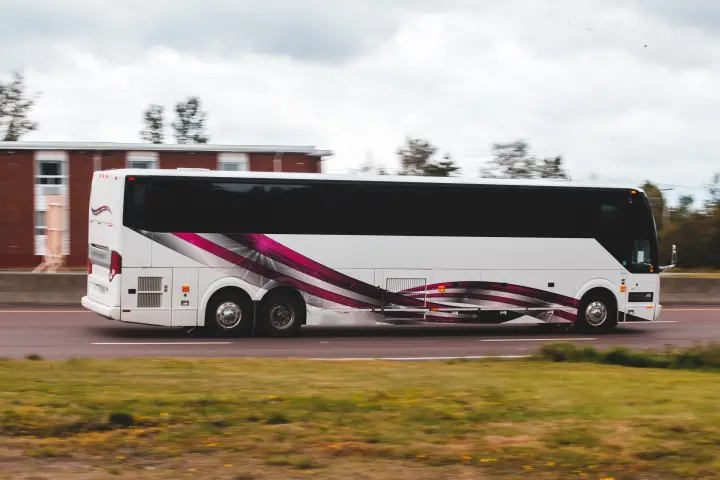
The pre-booked black car
How it works. You book before you fly with the flight number. A good company tracks the flight and dispatches the chauffeur against the live arrival, not the scheduled one.
The car waits in the terminal’s pre-arranged vehicle lane, or the chauffeur meets you inside at arrivals with a name board if you asked for it. The price is a flat rate by vehicle class, agreed in writing before you land, with tolls and fees itemized, so traffic does not change it.
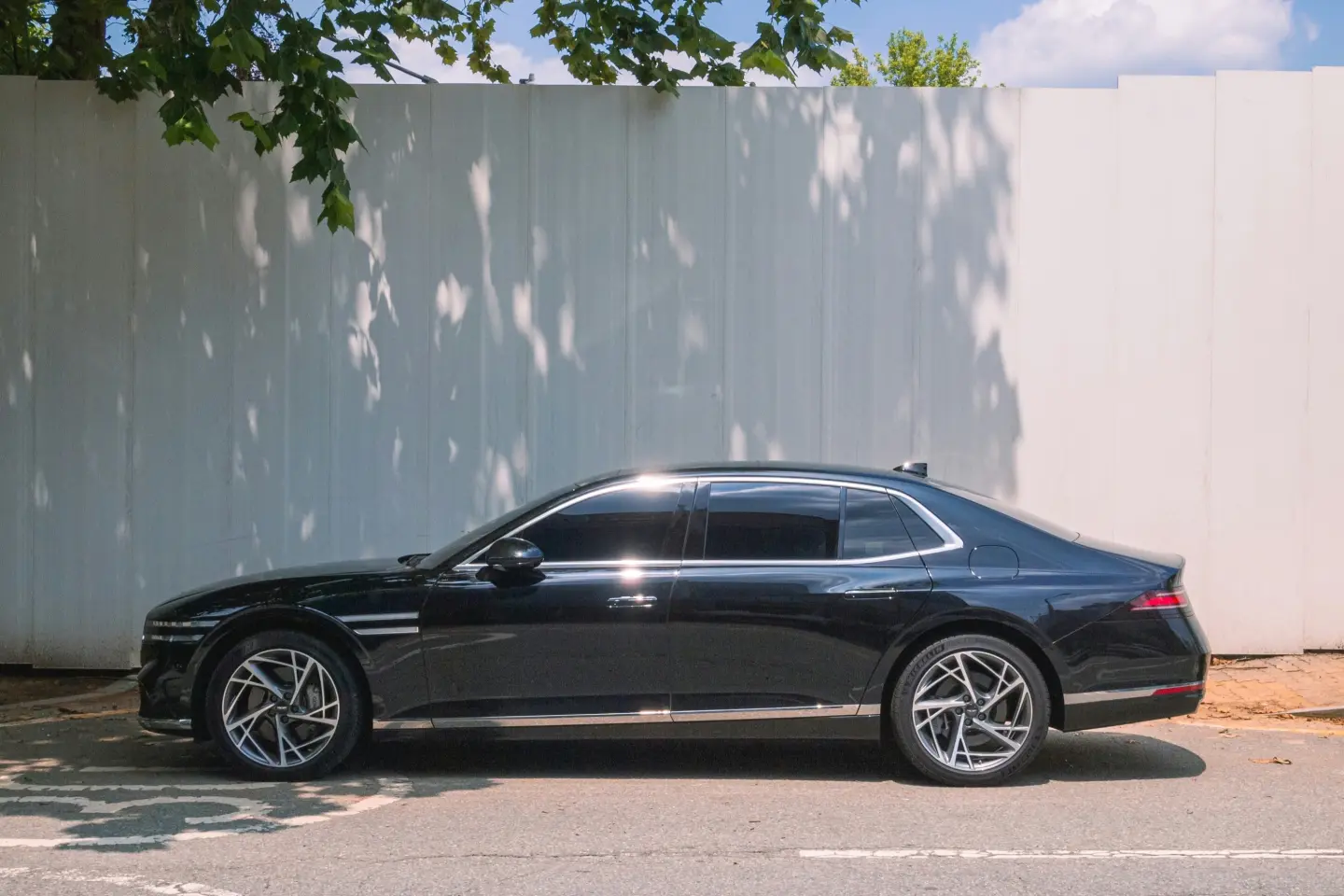
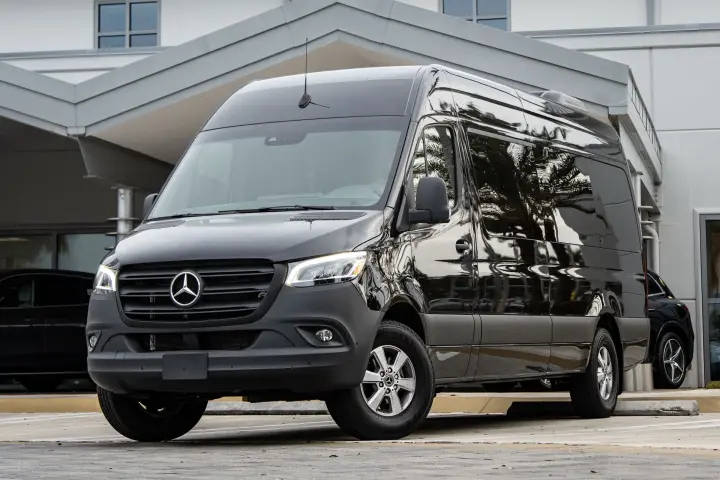
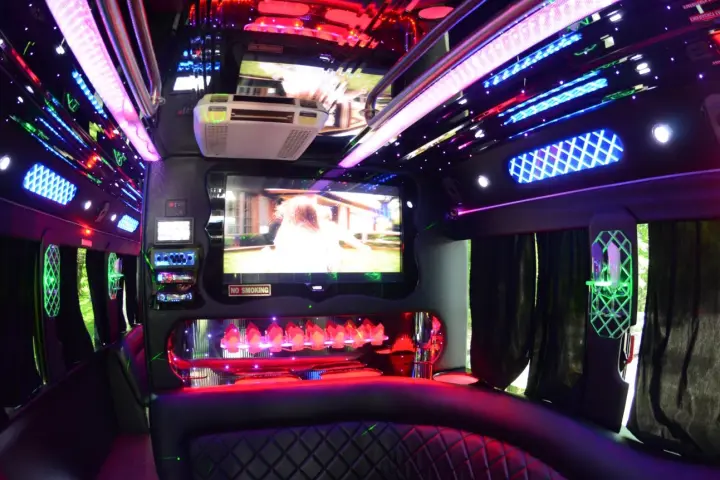
What to expect. A text when the car is at the curb, a chauffeur who takes the bags, a vehicle sized to the group (a sedan for two, an SUV for a family with luggage, a Sprinter for a party of twelve), and a dispatcher to contact if the plane is late.
If you need car seats, give dispatch the children’s ages when you book.
When it makes sense. A deadline; a group; luggage; children; a late or early flight; a client you are collecting; or simply a preference for not thinking about it after a long flight. The JFK airport car service page explains the pickup procedure, and the black car service page covers the vehicles.
JFK to Manhattan cost: how the three options compare
Each option builds the price differently. A taxi is the TLC flat fare plus whatever surcharges and tolls apply that hour. A rideshare price is set when you order and follows demand, so the same ride can cost less at 2 p.m. on a Wednesday than at 6 p.m. on a Friday.
A black car is quoted flat for the vehicle class before you travel. When you compare car companies, read the itemized lines (tolls, airport fee, gratuity), not the headline: a quote that folds them in cannot be compared with one that lists them.
Your airport transfer quote gives the exact price for your flight and address.
Can you Uber from JFK?
Yes. Rideshare pickups are allowed at JFK from the designated areas at each terminal, and the app directs you to them. The trade-off is the walk to the lot, the wait for a driver, and surge pricing when arrivals bunch up.
It is a reasonable choice for a solo traveler on a quiet afternoon and a frustrating one for a family at 9 p.m. on a Sunday.
Taxi, rideshare or black car: the short summary
Taxi: usually the cheapest fixed option, no booking, a line. Rideshare: variable price, a walk, a wait. Black car: fixed price, no line, no walk, someone watching your flight. Pick by what the trip needs rather than by habit.
A checklist for the JFK to Manhattan ride, whichever you choose
- Know your terminal before you land. Taxi stands, rideshare lots and pre-arranged lanes are different at each one, and Terminal 4 and Terminal 8 are large. Flying into another airport? See our LaGuardia car service and Newark airport car service pages.
- Count bags, not just people. A taxi trunk holds only a few large suitcases; a rideshare depends on the tier; a booked car is chosen for the luggage if you say what it is.
- Decide about the route. The drive into Manhattan can use the Queens-Midtown Tunnel, the Queensboro Bridge, the RFK Bridge or, for Lower Manhattan, the Hugh L. Carey Tunnel, depending on the hour and your address. A chauffeur can plan it with you, a taxi driver usually picks it, and a rideshare follows the app.
- Late arrival? After midnight the taxi line is often short, but fewer drivers wait in the rideshare lot; a pre-booked car is already assigned to your flight, so you are not waiting for a driver to turn up in the lot.
- Traveling with children? Car-seat rules for taxis and app rides in NYC are easy to misread, so check the TLC and New York State guidance before you fly. A pre-booked car can have seats arranged if you give dispatch the ages.
- Need a receipt for expenses? Taxis print one; rideshares email one; a booked car emails one with the itemized lines, which makes expense reports easier.